Author: superman

  • 3 Kilowatt Solar Panel Price, India

    3 Kilowatt Solar Panel Price, India

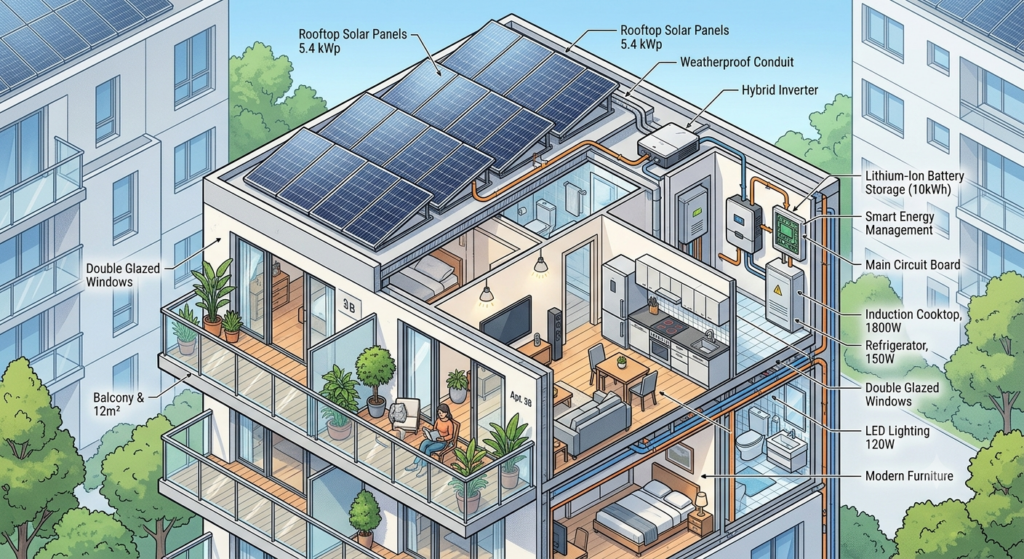
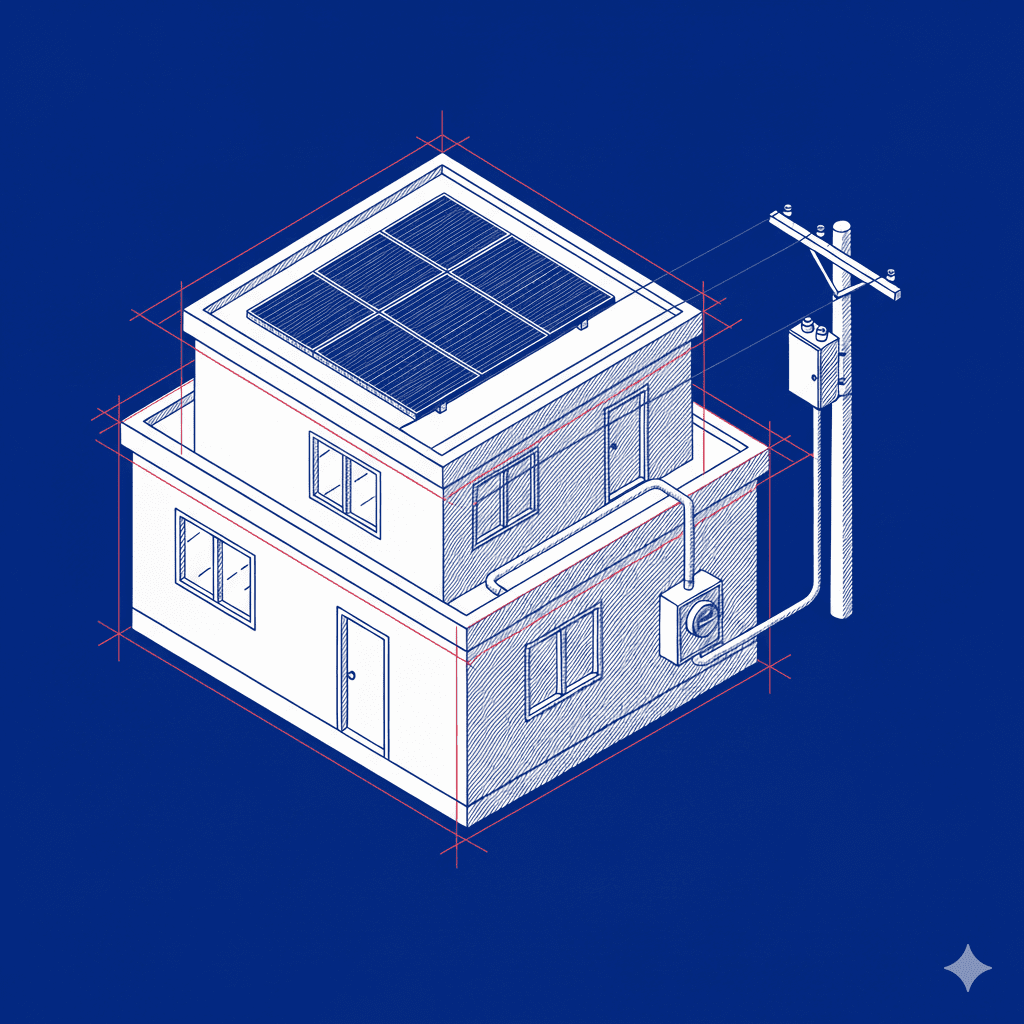
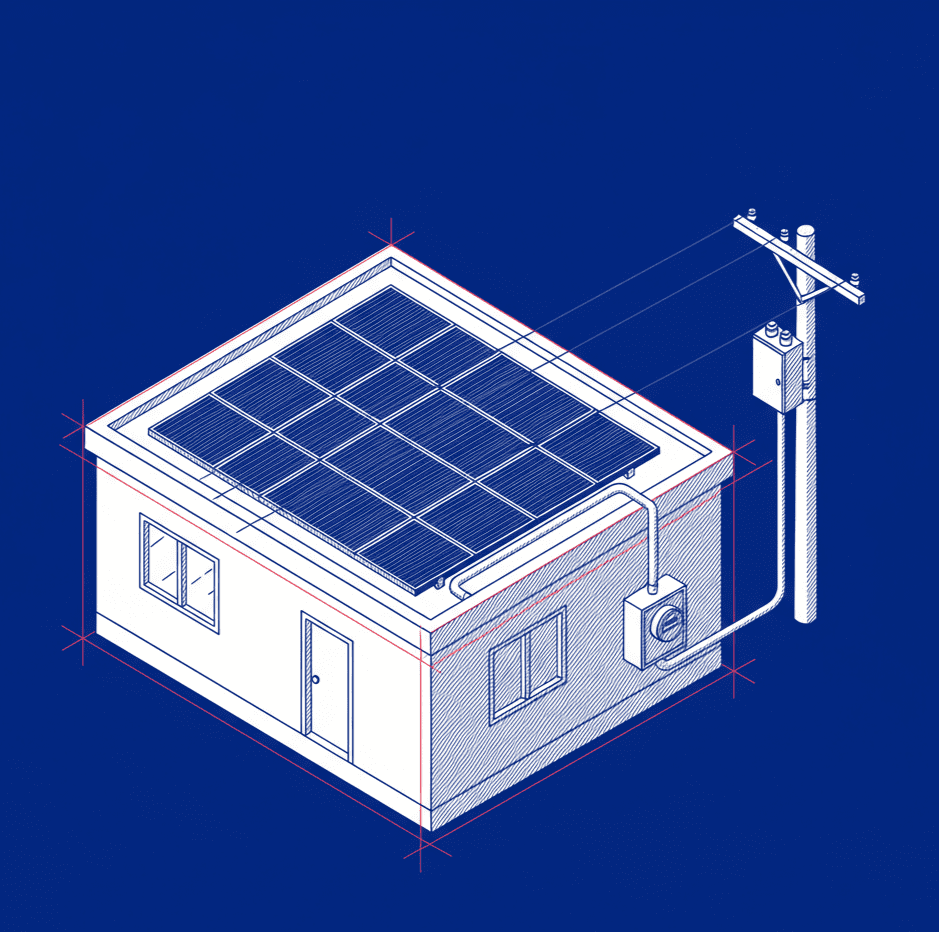
    A typical 3 Kilowatt Solar On Grid System will cost between

    Rs. 1,85,000 to Rs. 2,00,000 – MNRE and ALMM Approved, Mono Half Cut 545 DCR.

    3 kilowatt

    What is Included?

    Engineering and design; procurement; structure and panel placement; on-site civil works; inverter DC–AC electrical work; LA and earth pit work; testing and handover. This price covers end-to-end EPC-style delivery so your system is ready for commissioning and net-metering (netmeter hardware itself is not included).

    Under standard conditions the netmeter (approx. ₹2,000) must be purchased by the customer because net-metering is tied to the customer’s electricity account.

    GST Rates by Component

    Solar projects attract different GST rates depending on the item. For clarity we list the common splits used in the industry and applied to our pricing model:

    • Solar Modules (panels): GST Rate on Solar Panel (as applicable).
    • Ongrid Inverter: 12%.
    • BOS, Structure, Installation Service: 18%.
    • Solar Industry Average GST on EPC project: 13.80% (weighted average used for industry comparisons).

    These component-level GST rates affect the final invoice breakup and the effective cost to the homeowner.

    Subsidy Under PM Surya Ghar Yojana

    Residential customers may be eligible for central subsidies under PM Surya Ghar: Muft Bijli Yojana. For a 3 kW rooftop system the scheme structure commonly used by DISCOMs is: ₹30,000 per kW for the first 2 kW and ₹18,000 per kW for the additional 1 kW, with a total cap of ₹78,000 for systems larger than 3 kW. This means a typical 3 kW household system can receive up to ₹78,000 in subsidy subject to state/DISCOM implementation and approval processes.

    For the latest application process, eligibility checks, and state-specific implementation, consult the national rooftop solar portal or your local DISCOM’s PM Surya Ghar page.

    Why SuperPhoton’s Price Delivers Value?

    Component selection by geography: We choose panels, inverters, and mounting structures optimized for your location to minimize transport costs and installation time while ensuring performance and subsidy eligibility.

    Quality and compliance: All components meet standards required for subsidy approval and long-term reliability.

    Transparent scope: The quoted ₹1,85,000 is an EPC-style price that avoids hidden add-ons—what we list as included is delivered: engineering, procurement, structure, electrical works, earthing, testing, and handover. (Net meter price is not included in the quotation).

    Practical Notes for Homeowners

    Netmeter: Expect to pay around ₹2,000 for the netmeter; this is billed to the customer because it is registered to the household electricity account.

    Approvals and timelines: Subsidy disbursal and net-metering approvals are handled through the DISCOM and can vary by state; SuperPhoton assists with documentation and technical compliance to speed approvals.

    At ₹1,85,000 for a 3 kilowatt rooftop system, SuperPhoton offers a turnkey solution that balances cost, compliance, and component quality. With potential subsidy up to ₹78,000 under PM Surya Ghar and clear GST treatment by component, homeowners can make an informed decision. We prioritize locally optimized components to keep transport and installation costs low while preserving eligibility for subsidies and long-term performance.

    For a personalized quote and site assessment tailored to your roof, load profile, and state DISCOM rules, contact SuperPhoton and we’ll prepare a detailed, itemized proposal.

    What you should do next?

    To move from interest to a tailored, engineered plan and accurate quote, for a 3 Kilowatt Solar project please share your electricity bill. This lets SuperPhoton size the system correctly, confirm subsidy eligibility, and arrange efficient shipment and installation.

    The quotation contains all the information related to the pricing, payment terms and whats included / excluded. For safer side, we will ask you to keep a buffer for components like a net meter, price of which varies based on state.

    Use our calculators to know more:

    Calculate the size of your project, whether you need 3kw or more, and what happens when you select 3 kilowatt project when you have larger consumptions: Use this solar calculator.

    Read more about what is net meter in a more intuitive way. You will understand the same very quickly using our charts.

  • Why Are Solar Panels Pointed Towards South?

    Why Are Solar Panels Pointed Towards South?

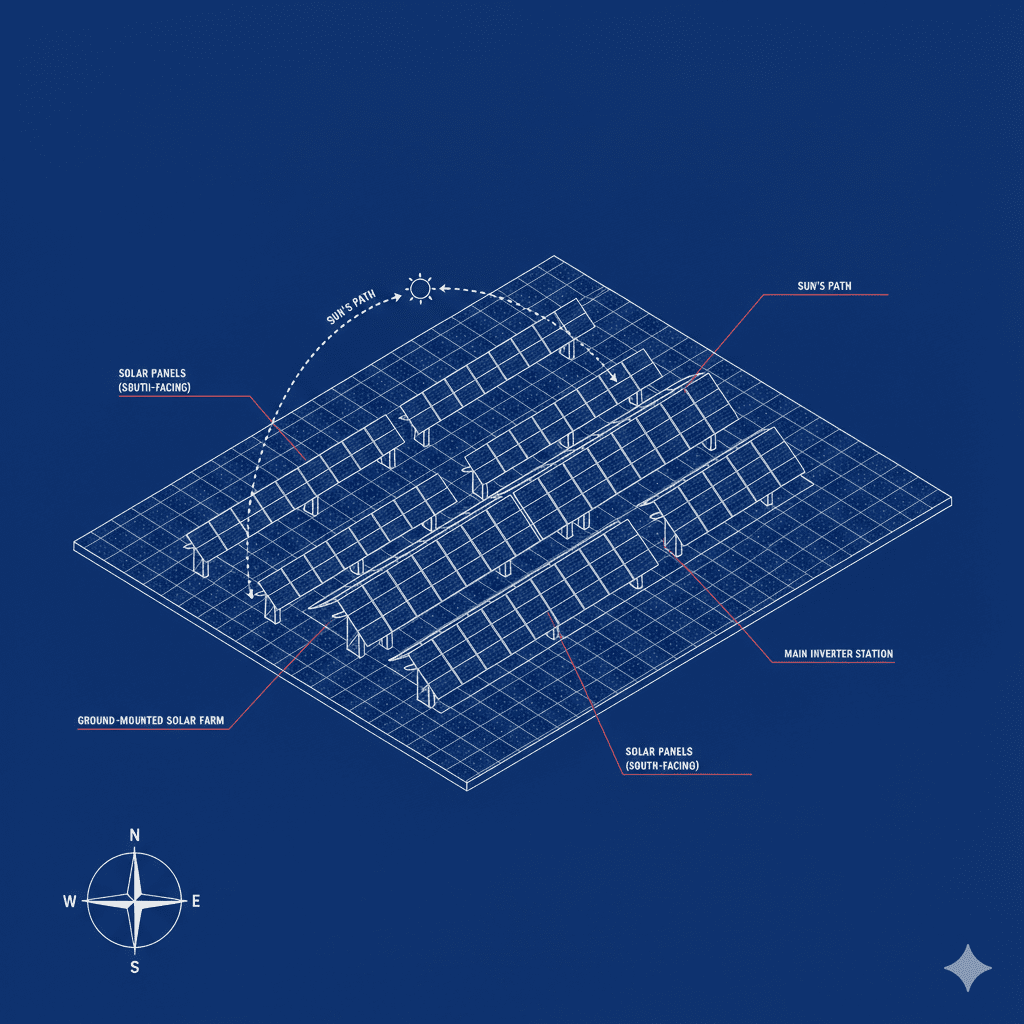
    When you look at most rooftop solar installations in the northern hemisphere, you’ll notice a common theme: the panels are pointed towards south. This isn’t a coincidence — it’s a deliberate choice rooted in physics, geography, and efficiency.

    Maximizing sunlight exposure: In the northern hemisphere, the sun’s path arcs across the southern sky. Having panels pointed towards south ensures they receive the longest and most direct exposure throughout the day.

    Energy yield: Proper orientation can boost electricity generation by up to 30% compared to poorly aligned panels. That’s a significant difference in both savings and sustainability.

    Consistency: South‑facing panels capture sunlight more evenly across seasons, balancing winter’s lower sun with summer’s higher arc.

    3D Rotating World Sun Path – Kolkata
    January
    12:00

    Why It Matters Less Today? What if you cannot point it to the south?

    Advances in solar technology are reshaping this old rule:

    • High‑efficiency panels: Modern photovoltaic cells convert more sunlight into electricity, even when the angle isn’t perfect. This means east‑ or west‑facing panels can still deliver 75–85% of the output of south‑facing ones.
    • Micro‑inverters and optimizers: These devices allow each panel to operate independently. If one panel gets less sun due to orientation or shading, it doesn’t drag down the performance of the entire system.
    • Tracking systems: Some installations use mechanical trackers that follow the sun’s movement across the sky, eliminating the need for a fixed south orientation.
    • Smart economics: In regions with time‑of‑use electricity pricing, east‑ or west‑facing panels can actually be more profitable because they generate power during peak demand hours (morning and evening).

    Geographic Theory: Why the Sun Appears in the South?

    For anyone living in the northern hemisphere, the sun is almost always seen in the southern part of the sky at noon. This isn’t a coincidence — it’s a direct result of Earth’s geometry and motion.

    Earth’s Tilt: The planet’s axis is tilted about 23.5°. This tilt means that as Earth orbits the sun, different hemispheres lean toward or away from it, creating the seasons.

    Sun’s Path: At mid‑northern latitudes (like most of North America, Europe, and Asia), the sun rises in the east, arcs across the southern sky, and sets in the west. That’s why the noon sun is always south of overhead.

    Seasonal Variation: In summer, the sun’s arc is higher and longer, while in winter it’s lower and shorter. But even then, the midday sun remains in the southern sky.

    Opposite in the Southern Hemisphere: For people south of the equator, the noon sun appears in the northern sky, because their hemisphere tilts differently relative to the sun.

    Case study of New Barrackpore, West Bengal

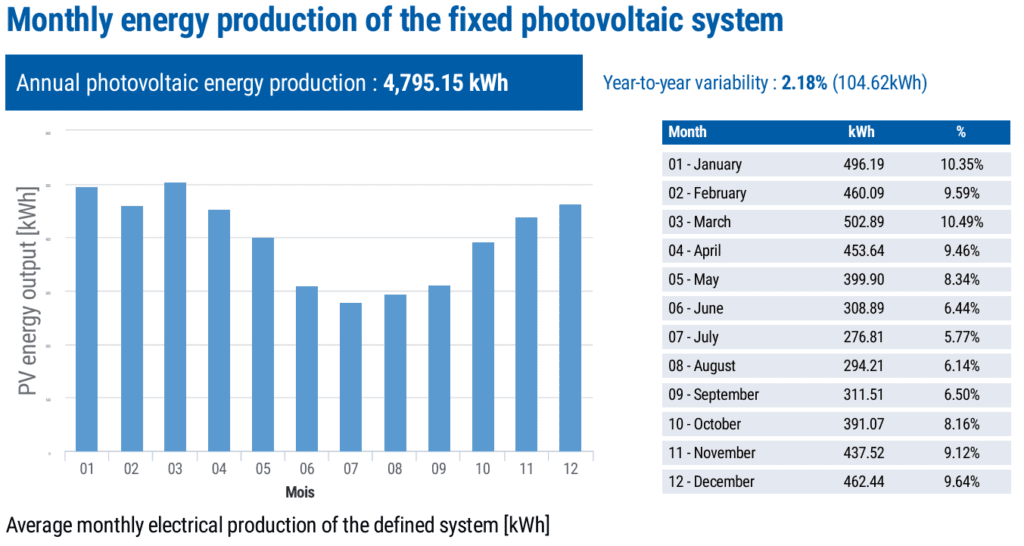
    The following image shows the output of a Solar panel pointed towards south in New Barrackpore, however the results wont change too much for anywhere across India. The following graphs explains how the production is affected across the months.

    On an average the 1Kw setup produces 4 units per day. If you average out your production and usage for the whole year, and with the usage of a on grid setup, you can save upto 90%+ on your electricity bill. An extra solar panel can actually balance out the dip during couple of mounts in middle of the year. Or even nulify the fact that you have to panels pointed towards south.

    Deep Research with PVGIS.

    While reading about this topic we came across this research agency who are providing with tools for a deeper reasearch on this topic.

    What PVGIS Offers

    • Solar radiation data: Hourly, daily, or monthly values of solar radiation for almost any location worldwide.
    • Performance simulations: Estimates of how much electricity a photovoltaic system would produce at your exact coordinates, with different panel orientations and tilt angles.
    • Seasonal variation: Clear graphs showing how production changes across the year.
    • Battery integration: Tools to model how storage can help you use more of the electricity you generate.
    • Maps and datasets: Ready‑to‑print maps of solar resources and PV potential by country or region.
    • APIs: For advanced users, automated access to PVGIS data for large‑scale analysis.

    To know more, visit PVGIS.

    What Superphoton Provides?

    Tailored system design: Instead of one‑size‑fits‑all, Superphoton analyzes your roof, local climate, shading, and energy usage to craft a system optimized for your needs.

    On‑grid and off‑grid solutions: Whether you’re in a city with reliable grid access or a remote location, they design systems that fit seamlessly.

    Efficiency through technology: By integrating high‑quality panels, inverters, and optional battery storage, they ensure maximum energy yield with minimal losses.

    Smart balancing: Their engineered solutions weigh cost, government subsidies, available space, and long‑term sustainability to deliver the most efficient outcome.

    Future‑ready extras: From EV chargers to solar pumps, Superphoton designs systems that can expand with your lifestyle or business needs.

  • What is a Solar Net Meter? How does on grid solar project help you?

    What is a Solar Net Meter? How does on grid solar project help you?

    A Net Meter is a special type of electricity meter installed in homes or businesses with solar panels. Unlike a traditional meter that only records how much electricity you consume, a net meter is bidirectional. It measures:

    • Import: Electricity you draw from the grid when your solar panels don’t produce enough.
    • Export: Surplus electricity your solar panels generate and send back to the grid.

    This dual recording enables a billing mechanism called net metering, where your utility calculates the net difference between what you consume and what you export.

    Solar Plant vs Consumption Flow

    Adjust the sliders to see how solar generation and household consumption interact. The Sankey diagram shows how much energy is supplied by solar, how much is pulled from the grid, and how the net meter balances flows. This calculator is indicative and provides information for better understanding of the concept.

    5 kW
    Refrigerator

    To get a better calculations of the size of the solar project that you may need, use our solar calculator.

    How to Get a Net Meter in India: Step‑by‑Step Guide

    With solar adoption rising across India, net metering has become the key mechanism that allows households and businesses to save on electricity bills by exporting surplus solar power back to the grid. Superphoton takes care of the whole process for a hassle free adoption of the solar plant.

    Step 1: Install a Solar PV System

    Before applying for net metering, you need a grid‑connected solar photovoltaic (PV) system. This can be rooftop solar panels or a larger installation, depending on your needs. The system must comply with your state’s technical standards and safety norms.

    Step 2: Apply for Net Metering

    Submit an application to your local DISCOM (Distribution Company). Most states now allow online applications through their electricity board portals. You’ll need to provide:

    • System capacity details (kW rating)
    • Location and consumer number
    • Technical specifications of panels and inverter

    Step 3: Submit Required Documents

    Typical documents include:

    • Proof of identity and address
    • Electricity bill copy
    • Solar system purchase/installation certificate
    • Single‑line diagram of the system

    Step 4: Technical Feasibility Report (TFR)

    The DISCOM will conduct a feasibility study to ensure your system can safely connect to the grid. This checks transformer capacity, grid stability, and compliance with state regulations.

    Step 5: Inspection and Approval

    Once feasibility is cleared, DISCOM officials inspect your installation. If everything meets standards, they approve the connection.

    Step 6: Net Meter Installation

    Finally, a bidirectional net meter (or smart meter) is installed. This records both import (electricity drawn from the grid) and export (surplus solar sent to the grid). From this point, your billing shifts to a net basis — you pay only for the difference between imports and exports.

    State‑Wise Variations

    While the broad process is similar across India, each state has its own rules on:

    • Maximum system size allowed
    • Tariff credits for exported units
    • Application timelines

    For example, states like Delhi, Maharashtra, and Karnataka have streamlined online portals, while others may still require physical applications.

    netmeter

    How can Superphoton help you with the netmeter?

    At SuperPhoton, we simplify every step of your solar journey. From handling the paperwork with DISCOM to coordinating approvals, installation, and net meter setup, our team ensures a smooth, hassle-free experience. We take care of the technical details and compliance requirements so you can focus on enjoying clean energy and reduced electricity bills. With our end-to-end support, getting your on-grid solar project becomes effortless and worry-free.

    Can Batteries Be Included in an On-Grid Solar System?

    A standard on-grid solar system relies entirely on the grid for backup. While this setup reduces electricity bills, it does not provide power during outages. This is where batteries come into play. By integrating battery storage into an on-grid system, you create what’s known as a hybrid solar setup.

    Benefits of a Hybrid Solar System

    • Uninterrupted Power Supply: Batteries ensure you have electricity even during grid failures.
    • Optimized Energy Usage: Store surplus solar energy during the day and use it at night, reducing dependence on the grid.
    • Greater Control: Decide when to use stored energy versus grid power, giving you flexibility and independence.
    • Enhanced Savings: Net metering credits plus battery backup maximize both financial and practical benefits.
    • Future-Ready: Hybrid systems are adaptable to evolving energy needs and smart home technologies.

    Net Meter: The Cornerstone of PM Surya Ghar Yojana

    The success of the PM Surya Ghar Yojana hinges on the net meter, which acts as the bridge between your rooftop solar system and the utility grid. Under this scheme, households are encouraged to generate their own clean energy and feed surplus electricity back into the grid. The net meter records both the power you consume from the grid and the excess you export, ensuring accurate billing and crediting of solar units. Without this mechanism, the financial benefits of the scheme—like reduced bills and energy credits—would not be possible. In essence, the net meter transforms rooftop solar from just a source of power into a smart investment tool, making it the cornerstone of India’s push toward widespread solar adoption.

  • The Solar Water Tank: A Sustainable Solution for Water Management

    The Solar Water Tank: A Sustainable Solution for Water Management

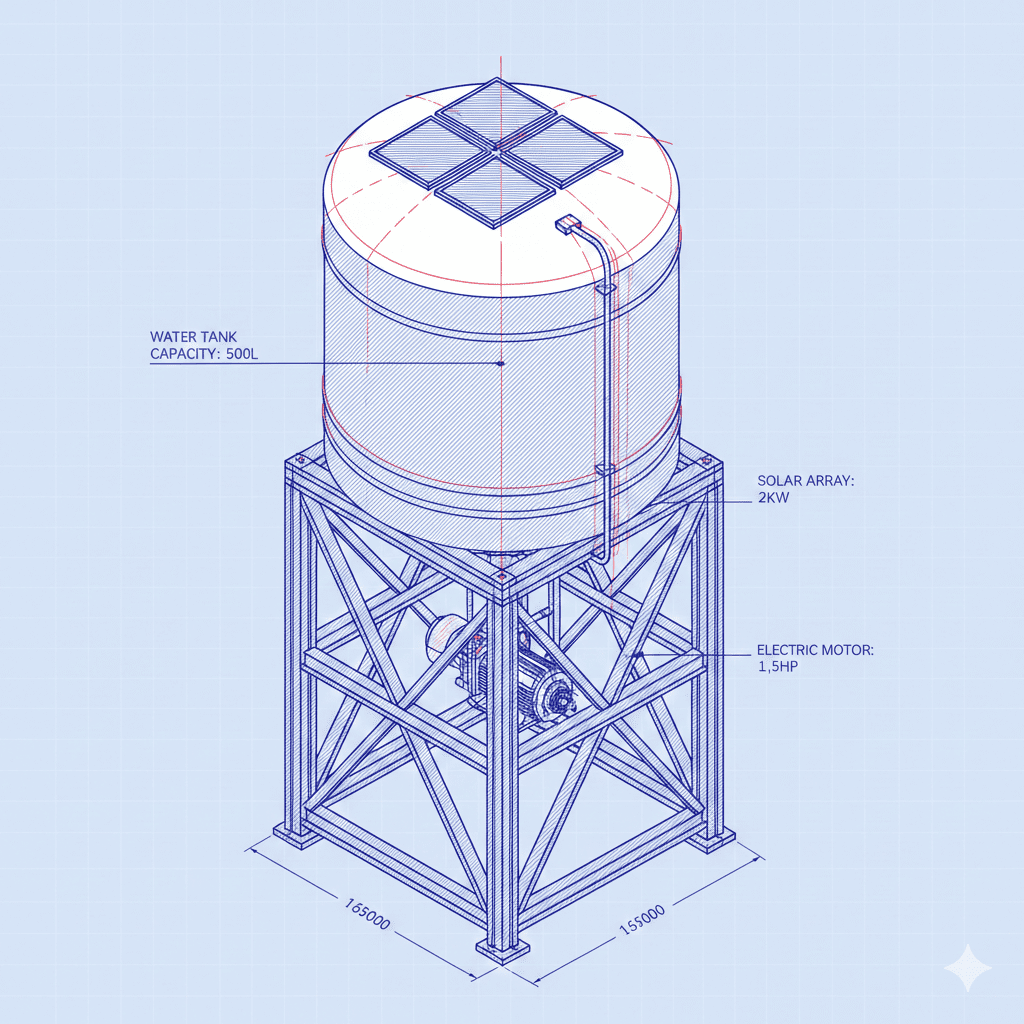
    In many parts of India, especially around temples and rural communities, water management is both a necessity and a challenge. One innovative solution that has been gaining attention is the solar water tank. Imagine a water tank mounted on a sturdy metal structure, topped with a 3kW solar panel system, and connected to a pump that lifts water into the overhead tank. This setup is not only practical but also eco-friendly, offering a low-maintenance, cost-effective, and sustainable way to ensure water supply.

    overhead tank with solar panel

    How the Remote Water Pump Works

    • Solar Power Generation: A 3kW solar panel installed on top of the water tank captures sunlight and converts it into electricity.
    • Pump Operation: The generated electricity powers a water pump that draws water from a borewell, river, or underground source.
    • Storage in Overhead Tank: The pump pushes water into the overhead tank, which is elevated on a metal frame to create natural water pressure.
    • Gravity Distribution: Once stored, water flows down through pipelines using gravity, eliminating the need for additional pumping at the point of use.

    This system is designed to be low to no maintenance, as solar panels require minimal cleaning and the pump operates without complex electrical infrastructure.

    Where Can It Be Used?

    The beauty of this solar water tank lies in its versatility. It can be deployed in multiple settings:

    • Temples and Religious Sites: As you observed near an Indian temple, these pumps ensure a steady water supply for devotees, rituals, and cleaning purposes.
    • Rural Villages: Communities with limited access to electricity can benefit from solar-powered pumps for drinking water, cooking, and sanitation.
    • Agricultural Fields: Farmers can use the system to irrigate crops without relying on diesel generators or erratic grid electricity.
    • Schools and Community Centers: Ensures reliable water for sanitation, cooking, and daily needs.
    • Remote Tourist Spots: Eco-friendly water solutions for places where conventional infrastructure is difficult to install.

    Why This Matters for India

    India faces challenges of water scarcity and unreliable electricity in many rural regions. A solar water pump system addresses both issues simultaneously. By harnessing abundant sunlight, communities can secure water without worrying about power cuts or fuel costs. Around temples, this ensures uninterrupted water for rituals and visitors, while in villages, it directly improves quality of life.

  • What Are the Different Types of Solar Panels? Understading the best solution.

    What Are the Different Types of Solar Panels? Understading the best solution.

    Solar panels come in several technologies, each built for different budgets, roof space, climates, and performance goals. This guide explains the main types, compares them by performance, price, and use case. The goal: by the end you should be able to pick the right panel type for your home or project.

    In simple words, types of solar panels boil down to type vs RoI.

    Quick Overview of Main Panel Type

    Advanced silicon variants TOPCon, PERC, HJT

    These are cell-level improvements that push efficiency and reduce degradation. They are commonly applied to mono or n-type wafers to create premium panels.

    Mono

    crystalline

    Made from single-crystal silicon. Highest efficiency and best space-to-power ratio. Typically used where roof space is limited.

    Poly

    crystalline

    Made from multiple silicon crystals. Lower efficiency than mono but cheaper. Good for larger roofs and budget installs.

    Thin Film

    CdTe, Ca‑Si

    Lightweight and flexible. Lowest efficiency but can be cheaper per panel and useful for large-area or curved surfaces.

    Bifacial


    Captures light from both front and rear faces to boost energy yield. Often paired with high-efficiency cells and used in ground-mount or reflective-roof installations.

    Solar Panel Efficiency vs Cost

    Interactive scatter plot comparing solar panel technologies. X-axis shows cost, Y-axis shows efficiency, and bubble size reflects efficiency.

    Best Recommendation for Indian Setting

    TOPCon (Tunnel Oxide Passivated Contact) solar panels stand out among the different types of solar panels available today, especially for the Indian setting. Built on advanced N-type cell technology, TOPCon modules deliver higher conversion efficiency — often above 22% — which means more electricity generation per square meter, a crucial advantage where rooftop space is limited. Unlike traditional PERC panels, TOPCon cells have lower degradation rates and better performance in high temperatures, making them ideal for India’s hot climate. Their resistance to light-induced degradation ensures long-term reliability, while bifacial TOPCon modules can capture reflected sunlight from bright and dusty surfaces, further boosting energy yield. With India’s focus on cost-effective, durable, and high-output renewable energy solutions, TOPCon emerges as one of the most promising types of solar panels for both residential rooftops and utility-scale projects.

    types of solar panels

    Frequently Asked Questions

    What are the main types of solar panels available today?

    The most common types of solar panels are Monocrystalline, Polycrystalline, Thin Film (CIGS and CdTe), Bifacial Mono, TOPCon N-type, HJT, and PERC. Each has different efficiency levels, costs, and suitability depending on installation needs.

    Which type of solar panel is best for Indian rooftops?

    TOPCon and Monocrystalline panels are often considered best for Indian rooftops because they offer high efficiency and perform well in hot climates. Their durability ensures long-term savings despite higher upfront costs.

    Are thin-film solar panels suitable for residential use?

    Thin-film panels are lightweight and flexible, making them useful for certain applications. However, they generally have lower efficiency compared to crystalline panels, so they are less common for residential rooftops where space is limited.

    What is the average lifespan of different types of solar panels?

    Most crystalline panels (Monocrystalline, Polycrystalline, TOPCon, HJT, PERC) last 25–30 years with minimal degradation. Thin-film panels typically have a shorter lifespan of around 15–20 years.

    How do bifacial solar panels work?

    Bifacial panels generate electricity from both sides — the front side captures direct sunlight, while the rear side absorbs reflected light from surfaces like concrete or sand. This makes them highly effective in bright and dusty environments.

    Which type of solar panel offers the best return on investment (ROI)?

    High-efficiency panels like TOPCon, HJT, and Monocrystalline often provide the best ROI in India. Although they cost more initially, their higher energy yield and longer lifespan reduce payback time compared to lower-cost, lower-efficiency options.

  • Can Solar Panels Run AC? A Simple Guide for Indian Homes

    Can Solar Panels Run AC? A Simple Guide for Indian Homes

    Air conditioners (ACs) are one of the biggest electricity guzzlers in Indian households. With rising power bills, many people wonder: Can solar panels run ACs? The short answer is YES—but how it works depends on whether you have an ongrid or offgrid solar setup. Let’s break it down in simple terms.

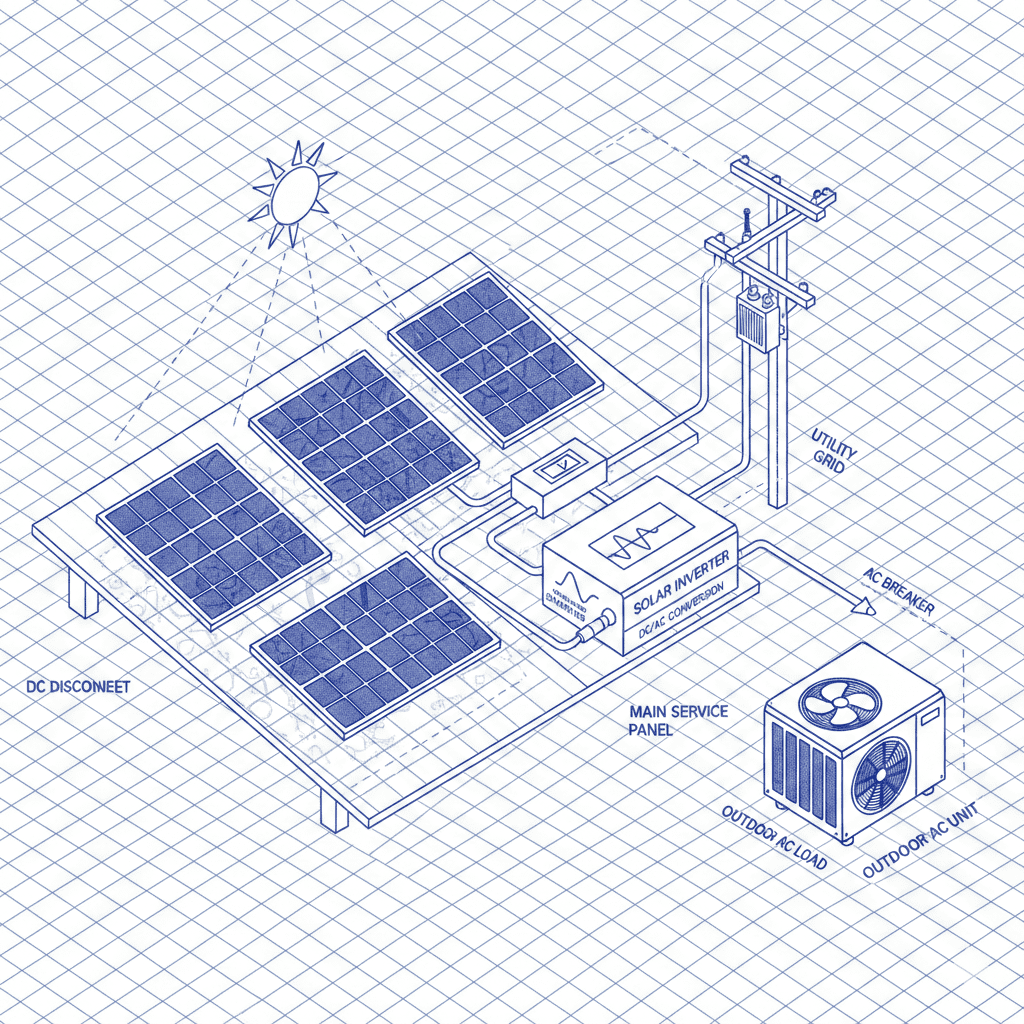
    Ongrid Solar Systems

    What it is: Connected to the electricity grid. Your solar panels generate power during the day, and any extra electricity can be exported to the grid.

    How it runs AC:

    • When the sun is shining, your AC can directly run on solar power.
    • If solar generation is less than what the AC needs, the grid automatically supplies the balance.
    • At night, since solar panels don’t produce electricity, the AC runs entirely on grid power.

    Best for: Homes in cities where grid supply is reliable. It reduces electricity bills but doesn’t give backup during power cuts.

    Can solar panels run ac?

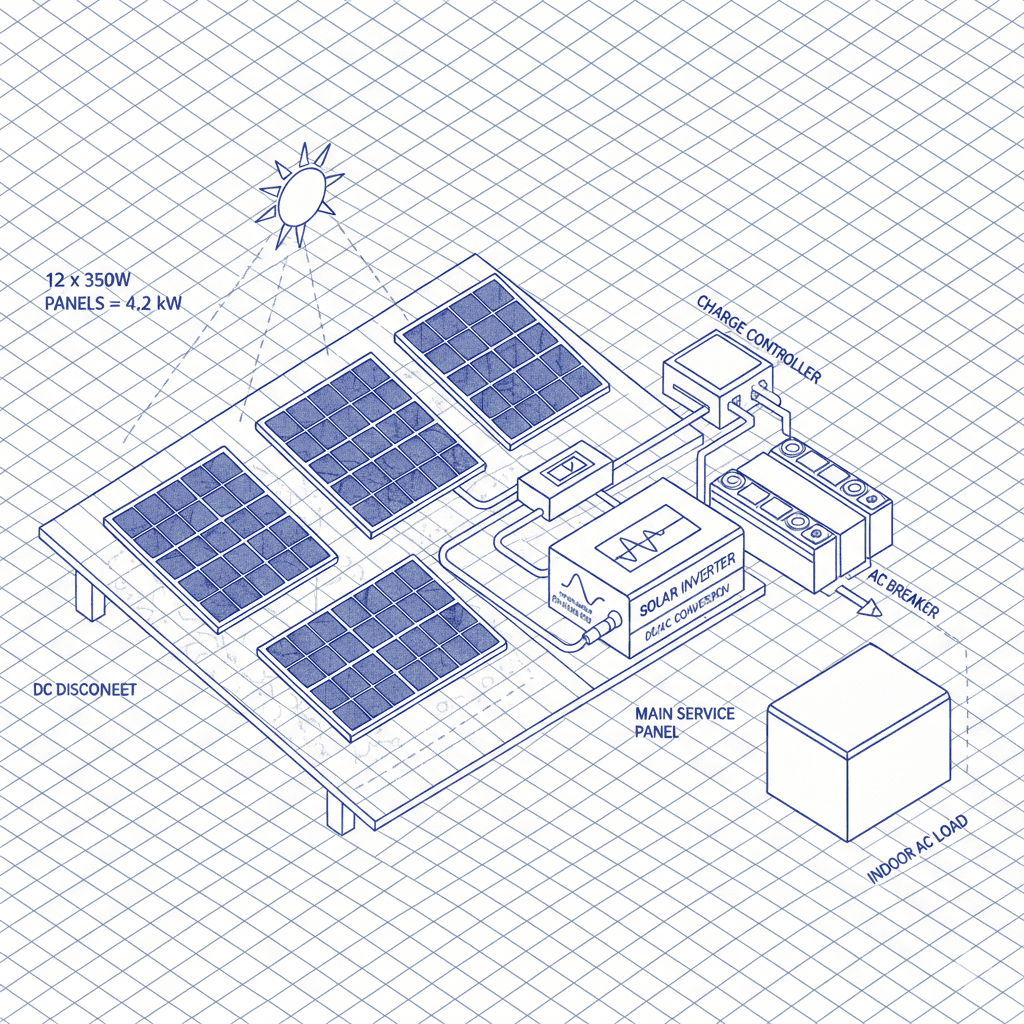
    Offgrid Solar Systems

    What it is: Works independently of the grid, using batteries to store solar energy.

    How it runs AC:

    • Solar panels charge batteries during the day.
    • The AC can run on stored battery power even at night.
    • But batteries are expensive, and running heavy appliances like ACs requires a large battery bank.

    Best for: Rural or remote areas with frequent power cuts. It provides backup but costs more upfront.

    A Simple Example

    magine you have a 1.5-ton AC that consumes about 1.5 units (kWh) per hour.

    • If you run it for 5 hours a day, that’s 7.5 units daily.
    • In a month, it adds up to about 225 units.

    Now, suppose you install a 3 kW solar system:

    • In most parts of India, this system generates around 12–15 units per day.
    • That’s enough to cover your AC usage plus some extra for lights, fans, and appliances during the day.
    • In an ongrid setup, your AC will happily run on solar during the day, and at night it will switch to grid power.
    • In an offgrid setup, you’ll need batteries big enough to store at least 7.5 units daily if you want to run the AC at night.

    Government Subsidy for Domestic Solar Projects

    The PM-Surya Ghar: Muft Bijli Yojana is a landmark initiative by the Government of India that makes rooftop solar more affordable and accessible for households. Under this scheme, eligible families can install solar panels on their rooftops and enjoy up to 300 units of free electricity every month, significantly reducing their power bills. The subsidy lowers the upfront cost of solar installation, making clean energy adoption easier for middle-class and lower-income households. Beyond savings, the program empowers families to generate their own electricity, reduces dependence on the grid, and contributes to a greener environment by cutting carbon emissions. It also creates new job opportunities by training thousands of solar technicians across the country. For households worried about rising electricity costs, this subsidy is a practical way to lock in long-term savings while supporting India’s renewable energy goals.

    You can learn more and apply through the official National Portal for Rooftop Solar.

    pmsuryaghar.gov.in

    Can solar Panels run AC?

    So, to the question “Can solar panels run AC?”, the answer is YES!. The choice between ongrid and offgrid depends on your location, budget, and whether you need backup during power cuts. For most urban homes, ongrid solar is the most cost-effective way to slash electricity bills while enjoying cool comfort.

    Want to know the exact solar project size for your home? Head over to the SuperPhoton Solar Calculator and calculate based on your monthly electricity consumption.

    Contact us to get a quote for an engineered and efficient Project.